
Understanding Back Lower Pain: Causes, Symptoms, and Treatments
Lower back pain is one of the most common reasons people miss work, skip workouts, or struggle with everyday activities. Whether it’s a dull ache that lingers or a sharp pain that comes on suddenly, it can make sitting, walking, or even sleeping uncomfortable.
The good news?
Lower back pain relief is possible, especially when you understand what’s causing the pain and how to treat it effectively.
In this blog, we’ll break down the most common causes, the symptoms to watch for, and the most effective treatments available.
Whether your pain is new or something you’ve been managing for years, this guide will help you take the right steps toward lasting relief and a stronger, healthier back.
Common causes of lower back pain
Back lower pain may stem from a variety of sources, ranging from sudden injuries to long-term wear and tear. Understanding the cause is the first step toward effective back lower back pain treatment. Here are some of the most common reasons people experience pain in the lower back:
Muscle strain or ligament sprain
One of the most frequent causes is overexertion. Lifting something heavy without proper form, twisting awkwardly, or moving too quickly can strain muscles or sprain ligaments in the lower back. These injuries often lead to inflammation, stiffness, and soreness that may last for several days or more.
Herniated or bulging discs
Discs act as cushions between the vertebrae in your spine. When a disc becomes damaged, it can bulge or rupture, pressing on nearby nerves.
This may lead to pain, numbness, or tingling that radiates down the legs — commonly known as sciatica. Herniated discs are often caused by repetitive strain, trauma, or the natural aging process.
Spinal misalignment
When the vertebrae in the lower spine shift out of place — whether from injury, posture problems, or uneven muscle tension — it can put pressure on nearby nerves and joints.
Spinal misalignment contributes to ongoing discomfort, limited range of motion, and increased risk of further injury. Chiropractic care is particularly effective at correcting these misalignments.
Degenerative conditions
Over time, the spine undergoes natural wear and tear. Conditions like degenerative disc disease, osteoarthritis, and spinal stenosis can all cause chronic lower back pain. These issues tend to develop slowly and may worsen with age, especially without early intervention or lifestyle adjustments.
Poor posture and a sedentary lifestyle
Long periods of sitting, especially with poor posture, may weaken the muscles that support your spine. Slouching, hunching over screens, or working at an unsupportive desk setup strains the lower back and can lead to pain and stiffness. Lack of movement also reduces blood flow to spinal tissues, delaying healing and increasing discomfort.
Additional contributing factors
Other conditions that can lead to lower back pain include pregnancy, obesity, stress-related muscle tension, and past injuries that haven’t healed properly. These factors can place added strain on the spine and increase the risk of both acute and chronic pain.
Pinpointing the exact cause is key to finding the most effective treatment.
Symptoms of lower back pain
Back lower pain can show up in different ways, depending on the cause, severity, and whether the issue is acute or chronic. While some symptoms are mild and temporary, others may signal a more serious problem that needs professional attention. Here are the most common symptoms to watch for:
Dull, aching pain
This is the most common type of lower back pain. It usually feels like a deep, persistent ache in the lower spine, often triggered by prolonged sitting, standing, or inactivity. It may also be accompanied by stiffness or tightness.
Sharp or stabbing pain
Sometimes the pain is more intense and comes on suddenly, especially after a specific movement like lifting, bending, or twisting. Sharp or stabbing pain often indicates a muscle strain, joint irritation, or disc issue.
Pain that radiates down the leg (sciatica)
If you feel pain shooting from your lower back down through your buttocks and into one leg, you could be experiencing sciatica.
Limited range of motion
Lower back pain can make it hard to move normally. You may notice stiffness when bending forward, twisting, or standing up straight. Over time, untreated pain leads to even greater mobility restrictions.
Muscle spasms
Tight, involuntary muscle contractions in the lower back are common after injury or strain. These spasms can be painful and limit your ability to sit, walk, or lie down comfortably.
Numbness or tingling
In some cases, nerve compression in the lower back may cause numbness, tingling, or weakness in the hips, buttocks, legs, or feet. This is a sign that a nerve is involved and may require prompt evaluation.
Pain that worsens with activity or time
Some people feel fine while at rest but experience pain during certain movements, like standing, lifting, or walking. Others feel worse in the morning or after sitting for long periods.
When to seek immediate care
If your pain is accompanied by loss of bladder or bowel control, severe weakness, or numbness in the groin or legs, seek medical attention right away. These can be signs of a serious condition like cauda equina syndrome, which requires urgent treatment.
Effective treatments for lower back pain
Lower back pain can disrupt your daily life, but the good news is that most cases respond well to conservative, non-invasive back lower pain treatments.
The key is to address both the symptoms and the underlying cause. Here are some of the most effective back lower pain treatment options for relief and management:
Chiropractic care
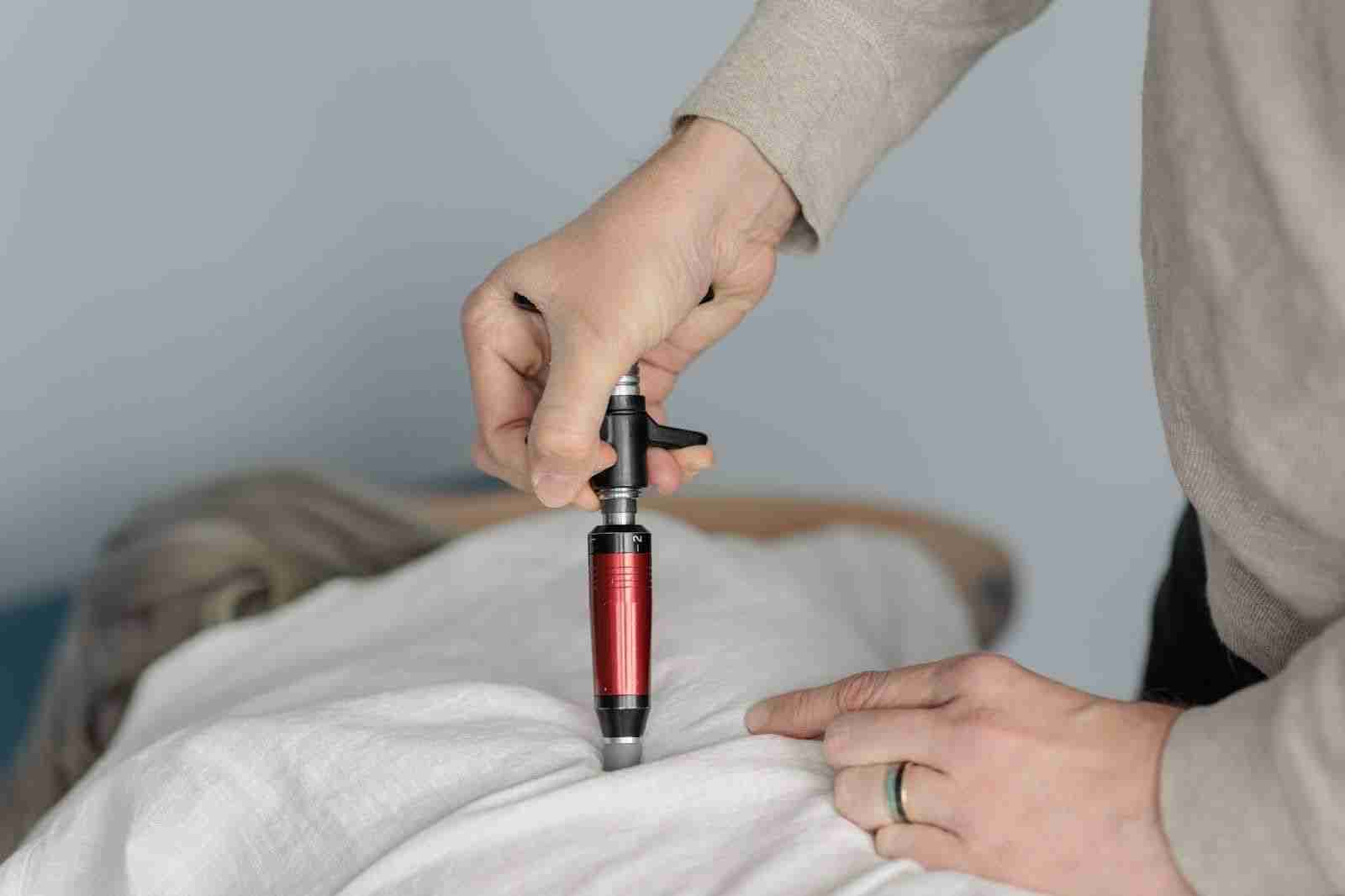
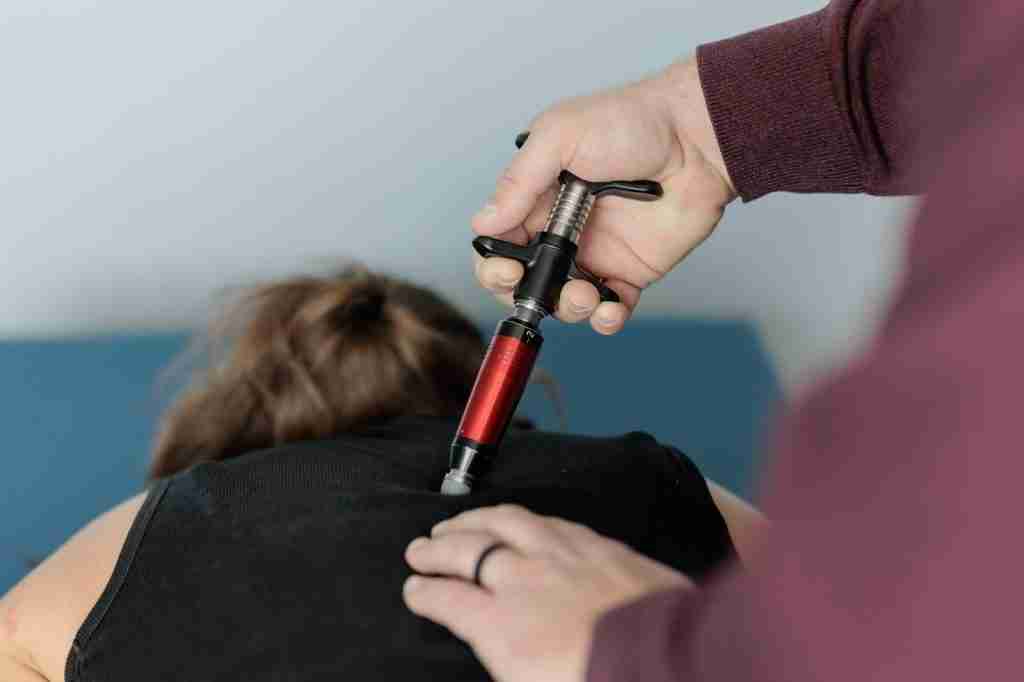
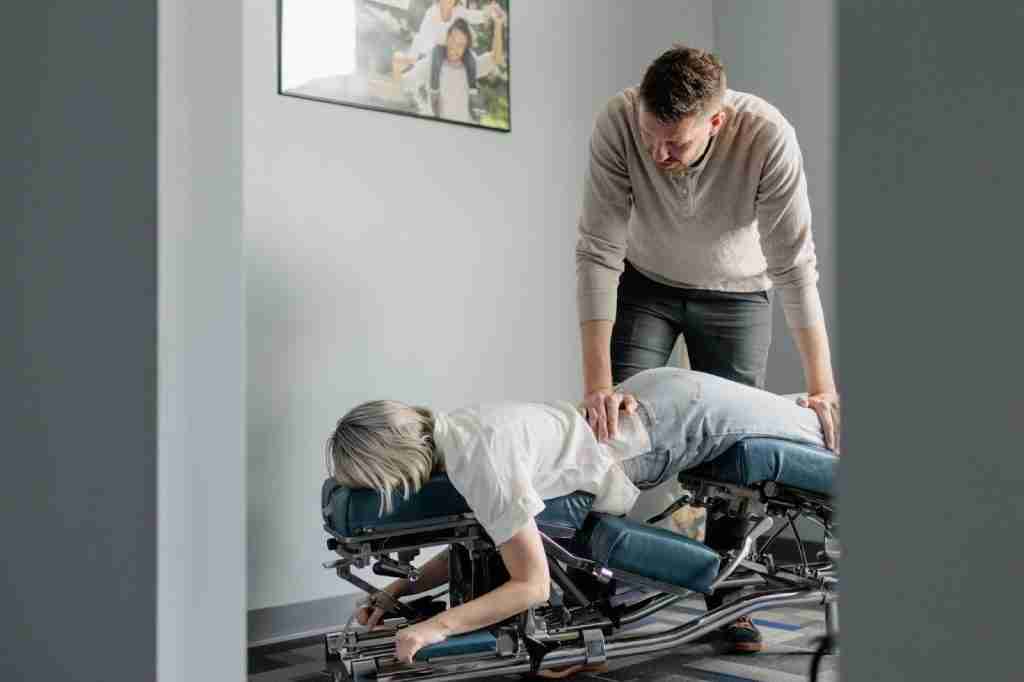
Chiropractic adjustments are a highly effective way to relieve pain caused by misalignment, joint dysfunction, or nerve compression. Chiropractors use gentle, targeted techniques to realign the spine, reduce inflammation, and improve mobility.
This helps relieve pressure on nerves, correct posture, and restore natural movement patterns. Chiropractic care may also include soft tissue therapy, stretching, and rehab exercises to support long-term recovery.
Physical therapy and exercise
Targeted exercises help strengthen the muscles that support the spine, especially the core, glutes, and lower back. A physical therapist will guide you through movements that improve flexibility, increase range of motion, and reduce pain. Staying active is key; extended rest may worsen symptoms by weakening the muscles and reducing joint mobility.
Heat and ice therapy
Ice packs can help reduce swelling and numb the area for acute pain or inflammation, especially within the first 48 hours. After that, heat therapy — like heating pads or warm baths — can relax tight muscles, improve circulation, and ease stiffness. Alternating between the two can provide effective relief for many types of back pain.
Posture correction and ergonomic support
Improper posture — especially while sitting or working — can contribute to chronic lower back pain. Chiropractors often assess your posture and suggest ergonomic changes to your workstation, sleeping position, or daily habits. Lumbar support cushions, standing desks, and proper lifting techniques can greatly affect comfort and long-term spinal health.
Lifestyle modifications
Maintaining a healthy weight, staying physically active, and managing stress can all reduce strain on your lower back. Activities like yoga, walking, and gentle stretching help improve circulation, reduce tension, and support spinal alignment.
Even small changes, like taking breaks to move during the day or improving sleep posture, can prevent pain from becoming chronic.
Medical interventions (when necessary)
If conservative treatments don’t bring relief, or if pain is severe and disabling, a doctor may recommend additional options such as:
- Prescription medications (for short-term pain management)
- Corticosteroid injections to reduce nerve inflammation
- Imaging (MRI or X-rays) to rule out structural problems
- Surgery, in rare cases, for issues like herniated discs or spinal stenosis that haven’t improved with other treatments
Lower back pain often improves with the right combination of therapies. Chiropractic care is a strong starting point because it addresses alignment and movement issues at the root of the problem. The goal is to relieve pain, restore function, and prevent it from returning.
Get lower back pain relief with Cadence Chiropractic
If lower back pain is slowing you down, disrupting your sleep, or keeping you from the activities you enjoy, it’s time to take action.
At Cadence Chiropractic, we specialize in lower back pain relief instead of masking the symptoms. We help restore spinal alignment, reduce nerve irritation, and support your body’s natural healing process through gentle, targeted adjustments and personalized care plans.
Whether your pain is new or chronic, our experienced team is here to guide you toward long-term pain relief. Don’t wait for the discomfort to get worse. Schedule your appointment today and start moving, feeling, and living better with expert chiropractic care from Cadence Chiropractic.


