
Scoliosis and Pregnancy: What Expectant Moms Should Know About Spinal Curve Management
Pregnancy reshapes your body in ways you expect and a few you don’t. For women living with a curved spine, it raises a specific set of questions that general pregnancy advice rarely answers. Will the curve get worse? Is back pain inevitable? Is care even safe while carrying a baby? At Cadence Chiropractic, we work with expectant moms throughout Utah Valley who want grounded answers about scoliosis and pregnancy, not vague reassurance. The good news is that with the right understanding and gentle support, most women navigate this season comfortably.
How Pregnancy Affects an Existing Spinal Curve
Scoliosis is a sideways curvature of the spine, often shaped like a C or an S. Many women reach adulthood with a mild to moderate curve that has been stable for years. Pregnancy introduces changes that interact with that curve in real ways.
As your baby grows, your center of gravity shifts forward. The natural curve in your lower back deepens to compensate, and the muscles supporting your spine work harder than they used to. Add the hormone relaxin, which loosens ligaments to prepare your pelvis for birth, and you have a spine that is carrying more load with slightly less structural stability. For a woman with scoliosis, that combination can make an asymmetrical curve feel more noticeable.
Research offers reassurance on the bigger worry. Studies following women with adolescent idiopathic scoliosis have found that pregnancy does not reliably cause the curve itself to progress. What tends to change is comfort, not the underlying degree of the curve.
Common Symptoms and What They Mean
The discomfort women report usually traces back to mechanics rather than anything alarming. Uneven muscle tension on either side of the spine can produce one-sided low back pain. A deepening lumbar curve sometimes irritates the sciatic nerve, sending discomfort down the leg. Some women notice their posture feels more lopsided as the pregnancy progresses.
These symptoms are worth paying attention to without panicking over them. Pain that is sharp, sudden, or paired with numbness, weakness, or changes in bowel or bladder function deserves prompt evaluation from your medical provider. Everyday aches that build with activity and ease with rest are far more typical and very manageable.
Managing Scoliosis and Pregnancy Safely
The aim during pregnancy is to support your spine, calm muscle tension, and keep your pelvis balanced as your body changes. Several approaches help, and they work best together.
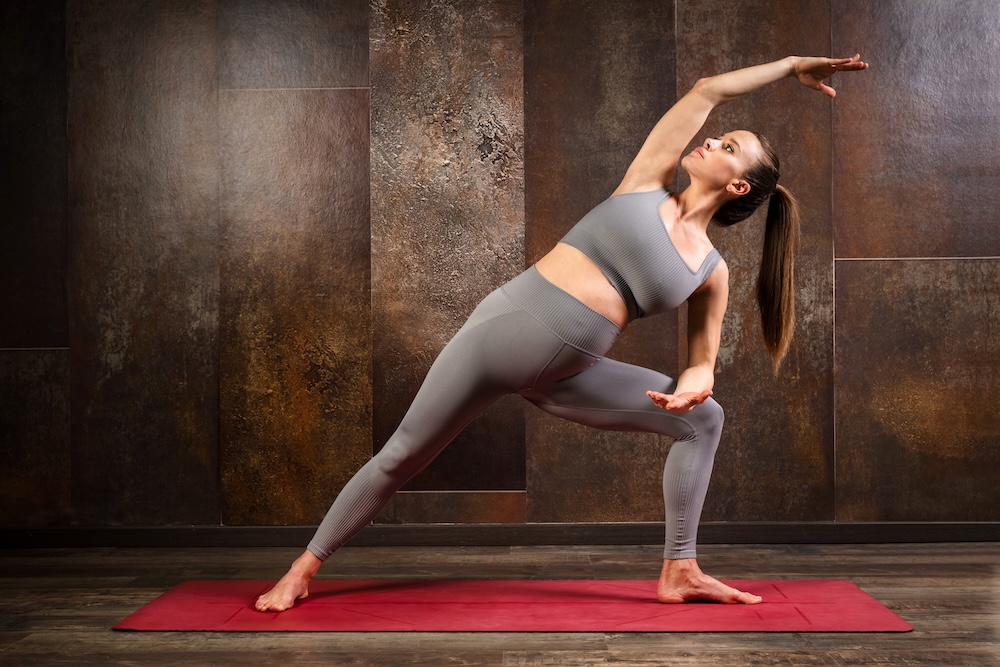
- Gentle movement such as prenatal yoga, swimming, and walking keeps supporting muscles active without straining the spine.
- Targeted strengthening for the core and hips gives your spine a more stable foundation as your belly grows.
- Attention to daily posture, especially how you sit, stand, and lift, reduces the strain that uneven curves tend to amplify.
- Sleeping on your side with a pillow between your knees helps keep the pelvis and spine aligned overnight.
Chiropractic care fits naturally into this picture. At Cadence Chiropractic, we use the Activator Technique, a gentle method that delivers precise adjustments without twisting, popping, or forceful movements. For a pregnant woman with scoliosis, that gentleness matters. The goal is to ease nerve irritation, improve how the spine and pelvis move, and reduce the muscular imbalances that drive discomfort.
Several of our chiropractors are also Webster certified, a technique focused on balancing the pelvis during pregnancy. Patients who came to us for prenatal care often mention how much steadier and more comfortable they feel through the later trimesters.
What Care Looks Like Through Each Trimester
Early pregnancy is a good time to establish a baseline and address any tension before it compounds. As the second and third trimesters add weight and the curve in your lower back deepens, adjustments and supported exercises help your body adapt. We tailor positioning so you stay comfortable on the table, and we adjust the plan as your needs change week to week.
Care does not stop at delivery. The postpartum period brings its own demands, from feeding posture to carrying a newborn, and a spine that already curves benefits from continued support as you recover.
A Steadier Path Through Pregnancy
Living with a curved spine does not mean resigning yourself to a painful pregnancy. Understanding how scoliosis and pregnancy interact, staying active in sensible ways, and getting gentle, individualized care give most women a comfortable path to delivery. If you are expecting and wondering how to manage your curve, the team at scoliosis and pregnancy care at Cadence Chiropractic in American Fork and Spanish Fork is here to evaluate your spine and build a plan around you. Schedule a consultation and start this chapter feeling supported.


